
Swap, Mend, and Tell the Story of a Greener Home
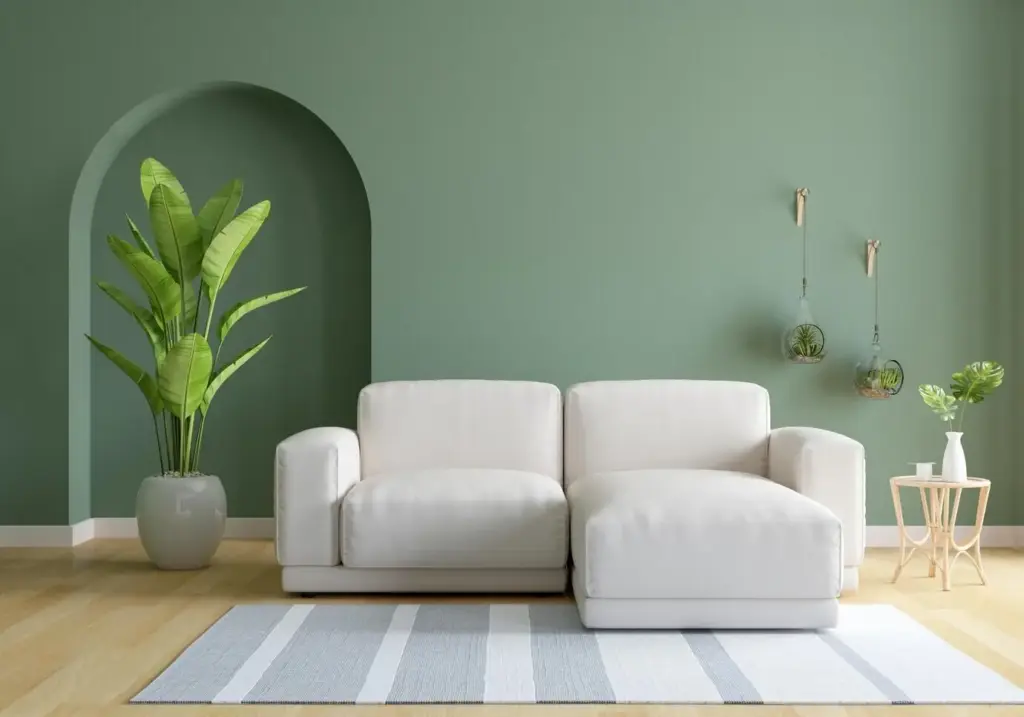
Welcome. Today we dive into community furniture swaps and repair cafes, celebrating practical kindness that keeps sofas, chairs, and tables in use while building genuine neighborhood bonds. Together we will explore how sharing, mending, and storytelling reshape daily comfort at home, reduce waste, and make design more affordable. Expect inspiring examples, easy checklists, and ways to measure impact. Most importantly, you will find invitations to participate, contribute photos, share repair victories, and help your street craft a convincing, hopeful narrative of greener living that actually lasts.

From Dusty Corners to New Beginnings

Furniture swaps turn forgotten corners into chances for reinvention. A scratched dresser becomes a treasured nursery piece; a wobbling table becomes a study desk for a first-generation college student. These exchanges reveal value hidden beneath scuffs, and the stories shared around them deepen community trust. We will look at simple organizing methods, equitable guidelines, and the subtle etiquette that helps generosity feel natural. When people leave with a lighter carbon footprint and a brighter room, they carry home a renewed sense of belonging and stewardship.

Why Trading Beats Buying New

Swapping keeps materials circulating, avoiding the emissions and resource extraction tied to manufacturing and shipping. It also encourages thoughtful consumption, because each piece has a visible history and a known neighbor who previously cared for it. Financially, families save for essentials without sacrificing beauty or function. Emotionally, participants feel proud to pass along items that still have life. The result is a practical, joyful loop where value grows through sharing rather than constant replacement.

Organizing a Neighborhood Exchange that Feels Fair

Begin with a welcoming code: clean items, honest descriptions, and an emphasis on safety and accessibility. Use color tags to classify condition, and time slots to prevent long lines. Offer a repair corner to tighten screws before items leave. Provide translation support and childcare so more neighbors attend. Publish a gentle, transparent process for disputes. Recap donations and savings afterward, showing both carbon and cost benefits. Clear communication turns generosity into a repeatable celebration.

A Chair That Found Five Homes

First owned by a piano teacher, the chair gained nicks from enthusiastic lessons. It then moved to a graduate student’s tiny apartment, where a clamp and wood glue extended its life. After a neighborhood swap, an artist added a painted motif, and later a retiree reupholstered it using leftover curtain fabric. Today, a young parent reads bedtime stories in that same seat. The chair’s patina is a map of kindness, creativity, and continuity.

Repair Cafes: Skills, Stories, and Shared Tools

Repair cafes transform small fixes into memorable experiences that transfer skills between generations. Volunteers bring soldering irons, wood glue, clamps, and patient humor, while visitors bring lamps that flicker, drawers that stick, and stools missing a brace. Every fix prevents waste and strengthens confidence, turning passive consumers into capable caretakers. We will explore how to set up stations, manage safety, and keep momentum through mentorship. By celebrating imperfect beauty, communities discover that durability is not only technical but cultural.

Creating a Welcoming Fix-It Table

Set a generous, well-lit workspace with clear signage and labeled bins for screws, brackets, felt pads, and sandpaper. Provide tea or water to ease nerves. Use intake cards that capture stories, not just problems, because origin tales guide better repairs. Offer a consent checklist for learning-by-doing, ensuring visitors understand risks. Showcase a few finished pieces as encouragement. The goal is to help every guest leave with restored confidence, not only a repaired object.

Tools That Solve Most Furniture Problems

A compact kit carries surprising power: wood glue, clamps, dowels, driver bits, furniture bolts, L-brackets, epoxy putty, a square, and a small plane. Add felt feet to quiet chairs, and thread-locker to tame persistent wobble. Include safety glasses, gloves, and a dust mask for sanding. Provide a simple torque guide and a laminated tightening sequence for common joints. With these pieces and a little patience, ninety percent of household furniture issues become approachable and safe to address together.

Mentors Who Make Repair a Habit

Great mentors narrate each move, explain why joints fail, and celebrate small wins. They invite learners to test clamps, feel wood grain, and listen for the satisfying click of a snug joint. By modeling curiosity instead of perfectionism, they lower the fear of mistakes. Sharing contact info for continued questions and offering a follow-up clinic date turns a one-time fix into a lasting routine. The habit spreads because help is human, local, and delightfully repeatable.

Designing a Greener Home Narrative

Stories guide decisions in ways statistics alone rarely achieve. When neighbors document the before-and-after journey of a repaired table or swapped bookshelf, they show that beauty and durability can coexist with thrift and care. We will explore ways to photograph transformations with dignity, write captions that honor prior owners, and collect impact notes without shaming anyone. By publishing small victories regularly, communities reshape expectations: scratches signal history, mends show love, and thoughtful reuse becomes part of everyday home identity.

Photography that Honors People and Pieces

Use natural light, simple backgrounds, and angles that respect both form and function. Avoid staging that hides wear; instead, frame patina as a record of life. Include hands during repairs to emphasize participation. Secure permissions before sharing faces or interiors. Pair each image with a short note about what was learned during the fix. A consistent visual style makes your feed approachable, while clear metadata helps future caretakers continue thoughtful maintenance with confidence and care.

Captions that Invite Participation

Write captions that ask questions and encourage replies: who taught you to tighten a hinge, where did you learn to sand safely, what would you try next time? Explain the fix in plain language and add one actionable tip. Celebrate small imperfections that remain, since honesty builds trust. Close with an open invitation to the next gathering. When people see themselves inside the story, they are more likely to contribute, attend, and share their own repair moments.

Measuring Impact Without Losing Heart

Pair numbers with narratives. Track items diverted from landfill, estimated kilograms of CO2 avoided, and dollars saved, then connect each metric to a real household experience. A repaired crib is more than wood preserved; it is sleep restored and worry reduced. Use lightweight forms or QR codes to gather data without burden. Publish monthly dashboards alongside the most moving story. The combination keeps momentum practical, transparent, and deeply humane, sustaining long-term participation.

Circular Economy at Home, Made Practical

Grand ideas only matter when they fit a Saturday afternoon. This section turns circular principles into manageable habits: choosing repairable designs, planning spare-part storage, tracking item lifespans, and partnering locally to keep tools and skills available. We will share ways to estimate embodied carbon, document provenance, and coordinate transportation without wasteful trips. By making the loop visible at kitchen-table scale, households gain clarity, save money, and strengthen resilience, one thoughtful decision and shared tool at a time.

Estimating Embodied Carbon for Everyday Pieces

You do not need a lab to make informed choices. Use simple benchmarks for material types—solid wood, plywood, particleboard, metal frames—and consider distance traveled and expected lifespan. A reused solid-wood table often beats a new, low-cost composite desk after just a few years. Keep a small note on each item’s estimated savings and link to sources. These approximations guide better behavior without perfectionism, helping neighbors celebrate measurable progress and continue choosing repair over replacement.

Tracking Lifespans, Miles, and Maintenance

Create a shared spreadsheet or simple cards that record where a piece originated, dates of repairs, and transportation miles. This provenance log helps diagnose recurring issues, plan preventative maintenance, and schedule future tune-ups at repair cafes. It also turns items into community artifacts, making it easier to match them with new homes when needs change. Transparent records encourage accountability, reduce duplicated effort, and reveal which fixes deliver the longest life for the least materials and time.

Partnering with Libraries, Schools, and Makerspaces

Tool libraries reduce costs and clutter by lending clamps, sanders, and specialty bits. Schools can host weekend swaps in gyms, while makerspaces offer advanced guidance for complex joints or metal frames. These partnerships create reliable venues and a shared calendar, strengthening attendance and learning. In exchange, volunteers gain visibility, and institutions meet community service goals. Start with a small pilot, gather feedback, and scale deliberately. Reliable partners anchor the loop, making continuity far more likely.

Hosting Events People Love

A great gathering feels effortless because it respects time, comfort, and diversity. Thoughtful flow, warm hospitality, and clear signage make swapping and fixing approachable, even for first-timers. We will outline inclusive invitations, simple logistics, and follow-up traditions that turn drop-ins into regulars. When participants feel seen and celebrated, they bring friends, share tools, and return with new projects. The event becomes a neighborhood ritual, stitched together by laughter, learning, and the practical joy of mending what matters.

Invitations that Welcome Every Neighbor

Use plain language, bold dates, and a map. Name the child-friendly areas, quiet corners, wheelchair access, and languages available. Offer a link for ride-shares and a contact for special requests. Provide photo policies and a clear promise: no shaming, only support. Encourage people to bring stories, not just objects. When invitations answer questions before they arise, anxiety drops and turnout rises. Accessibility is not an afterthought; it is the reason people say yes and return.

Flow, Signage, and Joyful Stations

Separate intake, triage, repair, and swap zones to prevent bottlenecks. Use big, cheerful arrows and color-coded tags so guests understand the journey at a glance. Add a photo wall celebrating completed fixes and a hydration table nearby. A kid craft area keeps little hands engaged while adults learn safely. Music at a gentle volume encourages conversation. Good flow creates dignity, because people feel guided rather than judged. That feeling lingers long after the event ends.

Bridging Generations and Abilities
Sustainable habits grow stronger when everyone can join. Children bring fearless curiosity; elders carry hard-earned knowledge about sturdy joinery and careful care. Neurodivergent neighbors may notice patterns others miss, improving processes and safety. We will share ways to design inclusive stations, pair mentors and learners thoughtfully, and honor different learning speeds. By centering dignity and access, communities unlock more creativity, ensure safer practices, and keep the joy of repair alive across ages, languages, and abilities.
Gabandglam
Privacy Overview

This website uses cookies so that we can provide you with the best user experience possible. Cookie information is stored in your browser and performs functions such as recognising you when you return to our website and helping our team to understand which sections of the website you find most interesting and useful.