
Memories, Reimagined: Upcycled Furniture as Living Stories

Step into a world where storytelling through upcycled furniture gives heirlooms, flea‑market rescues, and curbside surprises a second life. We explore turning memories into sustainable decor, blending craftsmanship, sentiment, and ecology so your rooms speak with history while treading lightly on the planet.

From Attic Finds to Living Room Stories

Transforming forgotten pieces into everyday companions begins with curiosity and care. As you uncover past uses, inscriptions, and repairs, you gather clues that guide respectful updates, ensuring each decision preserves character, reduces waste, and invites conversation without sacrificing comfort, safety, or modern functionality.

Design Techniques That Honor the Past

Time-honored details can live comfortably with contemporary needs. By balancing patina with performance, you protect what matters while improving usability. Consider ergonomic adjustments, hidden power access, and gentle color harmonies that respect age, enabling pieces to serve daily life without losing their voice.

Sourcing Responsibly and Creatively

Great stories begin with ethical finding. Favor community channels, transparent charities, and neighbors decluttering with intention. Inspect materials for durability, repair potential, and safe finishes, then negotiate respectfully. When you source thoughtfully, you honor people and planet before the first tool even touches wood.

Community Swaps and Estate Sales with Purpose

Attend local swaps, tool libraries, and estate sales after speaking with families about cherished details. Stories shared at pickup often guide design choices later. Pay fair prices, offer repairs in trade, and cultivate relationships that turn one-time finds into ongoing, mutually respectful collaborations.

Reading the Grain, Reading the Story

When evaluating lumber or old furniture, trace grain patterns, smell the wood, and note weight. These clues reveal species, prior exposure, and hidden repairs. Understanding history prevents mismatched finishes, informs tool selection, and ensures your final piece communicates sincerely rather than pretending.

Safety First: Lead Paint, Mold, and Hidden Hardware

Guard your health by testing paints, wearing respirators, and isolating sanding. Check cavities for forgotten nails, springs, or brittle wiring before cutting. Dry wet pieces slowly to curb mold. Responsible stewardship keeps workshops safe and preserves irreplaceable materials for their next long chapter.

A Cracked Piano Bench Becomes a Reading Nook
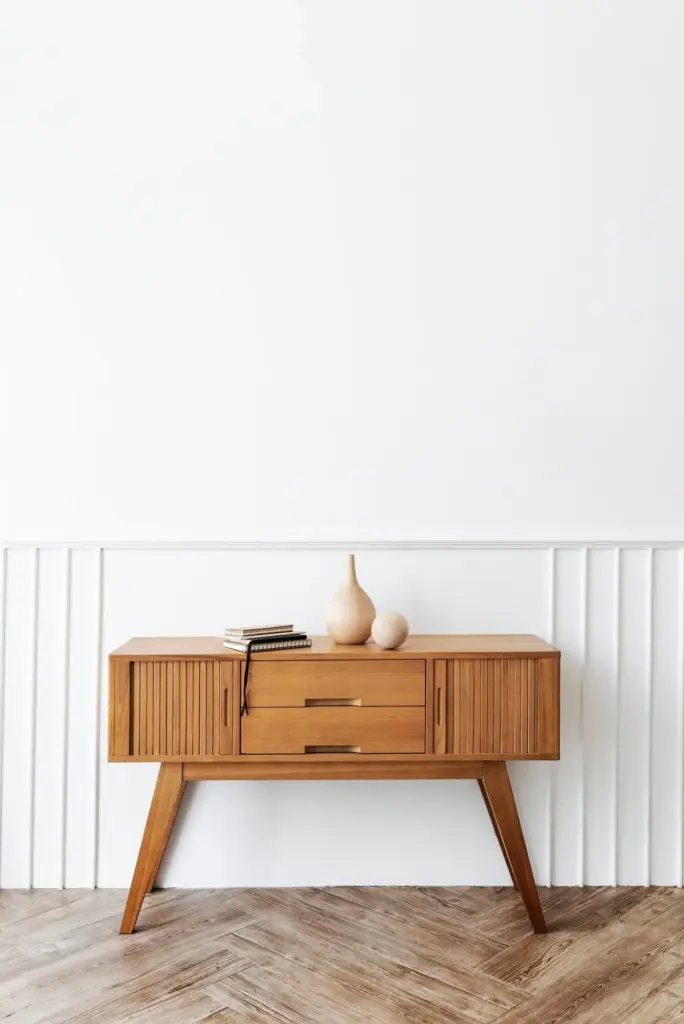
After repairing split legs with butterfly keys and hemp glue, we cushioned the seat using fabric cut from a grandfather’s tweed coat. A narrow shelf underneath holds dog-eared novels, while scuffs remain visible, honoring countless lessons once practiced in patient, echoing rooms.

Travel Trunk to Coffee Table with a Secret

A dented steamer trunk gained casters, tempered glass, and cedar lining. Postcards found beneath the paper were preserved under the lid using archival sleeves. Inside, a hidden tray safeguards letters, making every afternoon coffee ritual an invitation to revisit journeys, places, and promises.

Sustainable Impact You Can Measure

Beyond sentiment, tangible metrics help validate choices. Track diverted landfill weight, embodied energy avoided, and toxins reduced by choosing safer finishes. When households quantify benefits, they advocate effectively, inspire neighbors, and strengthen local circular economies that prioritize repair, sharing, and skill-building over disposable convenience.

Calculating Carbon Saved by Reuse

Estimate emissions avoided by comparing new production footprints to refurbishment inputs: transport, adhesives, sanding power, and finishes. Many open datasets and calculators exist. Share your numbers openly so others can replicate, critique, and improve them, turning personal projects into community learning resources.

Circular Design as a Daily Habit

Arrange furniture for disassembly, choose standard fasteners, and label parts discreetly. Keep a small hardware library from past projects. These habits allow graceful upgrades or repairs later, extending lifespans and preventing panic purges when moving, remodeling, or welcoming new needs into a space.

Invite the Conversation
Objects that carry history are natural catalysts for dialogue. Create rituals around them, document changes, and involve friends in small repairs. The more hands and voices participate, the stronger the bond between sustainability and belonging, and the more resilient your home becomes.

Hosting Story-Sharing Evenings Around a Revived Table
Set candles low, scatter vintage photographs, and invite guests to bring one repair tale each. Record audio snippets for future caretakers. Shared recollections deepen appreciation for scuffs and stitches, transforming furniture into communal archives where care, laughter, and responsibility naturally circulate.

Photographing Transformations to Inspire Others

Capture before, messy middle, and after with consistent light and scale references. Pair images with supply lists and honest lessons learned, including mistakes. Posting processes helps demystify craft, invites dialogue, and motivates neighbors to rescue pieces they once considered junk or burdens.
Gabandglam
Privacy Overview

This website uses cookies so that we can provide you with the best user experience possible. Cookie information is stored in your browser and performs functions such as recognising you when you return to our website and helping our team to understand which sections of the website you find most interesting and useful.